Digital Health in Nigeria 2026: How Technology is Finally Making Healthcare Accessible to Everyone
Picture this: A pregnant woman in a remote village in Kaduna receives a text message reminding her about her antenatal appointment.
A diabetic patient in Lagos checks his blood sugar levels on his phone and instantly shares the results with his doctor.
A small clinic in Ogun State connects with a specialist in Abuja through a video call to diagnose a complex case.
This isn’t science fiction—this is digital health in Nigeria, happening right now in 2026.
The numbers tell an incredible story. Nigeria’s digital health market has hit ₦185.66 billion this year, and over 30 million Nigerians are now using telemedicine platforms to see doctors without leaving their homes.
But behind these impressive statistics are real people getting the healthcare they desperately need, often for the first time in their lives.
If you’ve ever wondered how technology is changing healthcare in Nigeria, or if you’re thinking about using digital health services yourself, this guide will walk you through everything you need to know.
What Exactly is Digital Health? (And Why Should You Care?)
Let’s start with the basics. Digital health isn’t just about putting your medical records on a computer—it’s so much bigger than that.
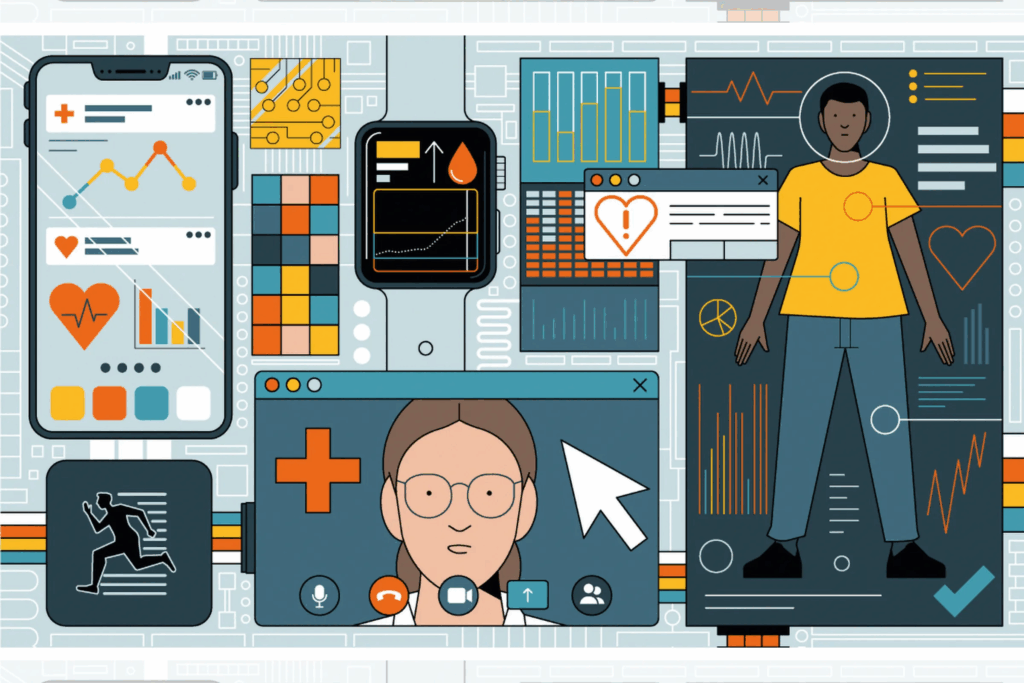
Think of digital health as healthcare that comes to you through technology. It includes video calls with your doctor (telemedicine), apps on your phone that help you manage your health, devices that track your heart rate or blood sugar, computers that help doctors diagnose diseases faster, and systems that help hospitals run more smoothly.
Here’s why this matters to you: Nigeria has roughly one doctor for every 5,000 people.
The World Health Organization says we should have one doctor for every 600 people. That’s a huge gap, and it means many Nigerians struggle to get basic healthcare. Digital health is helping to close that gap.
The Reality of Healthcare in Nigeria (Before Digital Health)
Let’s be honest about the challenges we face. Most Nigerians—over 60%—live in rural areas where hospitals are few and far between.
Getting to a hospital might mean traveling for hours, and when you finally arrive, you might wait all day just to see a doctor for five minutes.
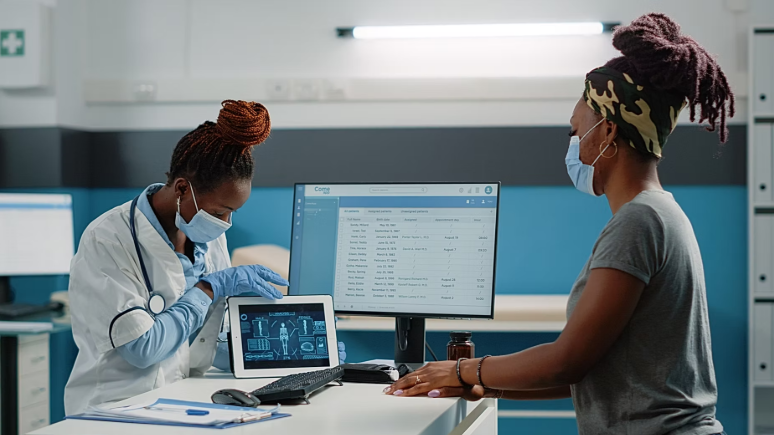
Then there’s the cost. Most of us pay for healthcare out of our own pockets—over 70% of all healthcare spending in Nigeria comes directly from patients, not insurance. This pushes many families into poverty when someone gets seriously ill.
But here’s the good news: digital health is changing all of this, and it’s happening faster than you might think.
Telemedicine: Your Doctor is Just a Phone Call Away
Remember when seeing a doctor meant taking a whole day off work, spending money on transportation, and sitting in a crowded waiting room? Telemedicine is changing that story completely.
How Big is Telemedicine in Nigeria Right Now?
The growth has been explosive. Since the pandemic, telemedicine use has increased by 300%.
The Nigerian government launched the National Digital Health Initiative with $50 million to bring digital healthcare to all 36 states and Abuja.
By this year, 40% of doctor visits in cities like Lagos and Abuja happen through video calls or phone consultations.
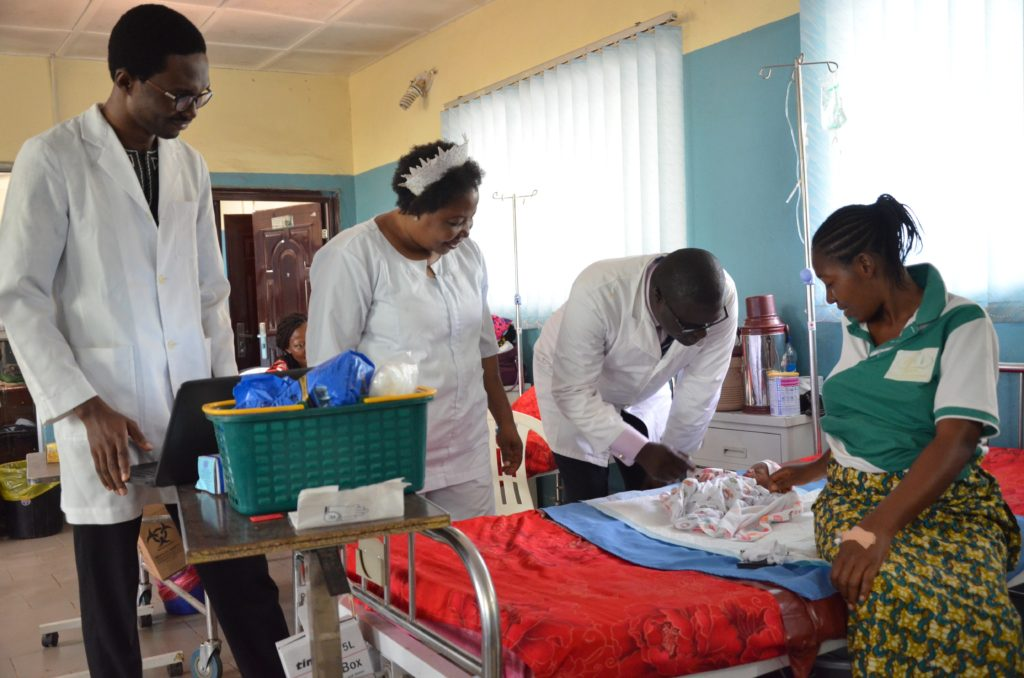
You’ve probably heard of some of the companies making this happen—mDoc, LifeBank, MyMedic, and international platforms like Vezeeta.
Even mobile network providers are getting into the game, offering telemedicine services through your regular phone.
What Can You Actually Do Through Telemedicine?
Let me break down the different ways telemedicine works in Nigeria:
Video consultations are exactly what they sound like—you talk to a doctor face-to-face through your phone or computer screen. This works great for follow-up appointments, prescription renewals, or discussing test results.
Messaging your doctor is perfect when you have a question but don’t need an immediate response.
You type out your symptoms, attach photos if needed, and your doctor replies when they can. This is super useful in areas where internet comes and goes.
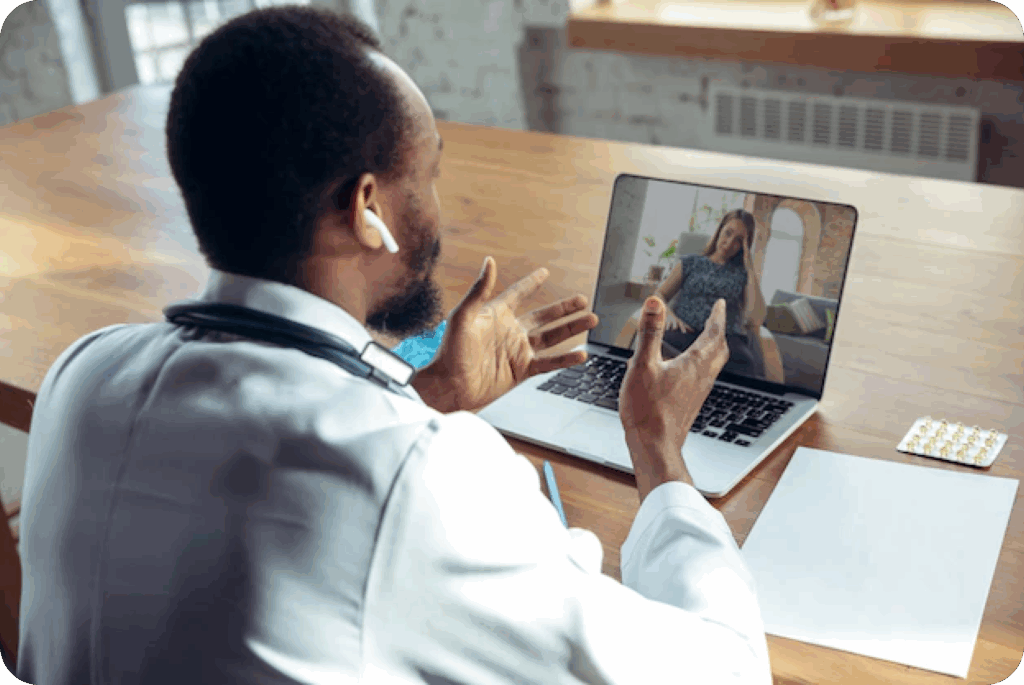
Remote monitoring means your doctor can keep an eye on your health even when you’re at home.
If you have diabetes or high blood pressure, you can measure your levels and send them to your doctor automatically. They’ll alert you if something looks wrong.
Mental health support through telemedicine has been a game-changer. Many Nigerians are now comfortable talking to therapists and counselors through video calls, where they feel more private and less stigmatized.
But Let’s Talk About the Problems Too
I won’t sugarcoat it—telemedicine in Nigeria faces real challenges. Power outages remain a constant problem.
In fact, over 62% of healthcare facilities report that unstable electricity is their biggest headache. Internet connectivity is spotty, especially in rural areas where only about 20% of people have reliable access.
Many older Nigerians aren’t comfortable with technology. There’s also the cultural issue—some people feel like a “real” doctor visit has to be in person. They’re not sure if a video call can really be as good as a physical examination.
But innovative companies are solving these problems. Platforms like LafiaLink work offline when internet is down and sync later.
Some services use simple SMS text messages instead of fancy apps, so even basic phones can access them. Others partner with community health workers who help patients use the technology.
AI and Smart Technology: The Doctor’s New Assistant
Artificial intelligence might sound complicated, but think of it as a really smart computer program that helps doctors make better decisions faster.
How AI is Already Helping Nigerian Doctors
Right now, AI is being used in Nigerian hospitals to look at X-rays and scans to spot diseases like tuberculosis or pneumonia, suggest treatment plans based on thousands of similar cases, predict which patients might get sicker and need extra attention, answer basic health questions through chatbots, and help discover new medicines for diseases common in Nigeria.
Here’s a real example: When you use a health app and type in your symptoms, AI can give you an initial assessment before you even see a doctor. It’s like having a medical encyclopedia that understands your specific situation.
AI That Understands Nigeria
The best AI systems for Nigeria are trained on data from African patients, not just Western populations. This matters because diseases affect different populations differently.
An AI system trained only on European or American patients might miss patterns common in Nigerian patients.
Some impressive things AI can do include processing information even when internet is slow, understanding questions in Yoruba, Igbo, or Hausa (not just English), working on regular smartphones without needing expensive equipment, and always keeping doctors in the loop rather than replacing them.
Why You Should Care About AI in Healthcare
Think about your local clinic. They probably have one or two doctors trying to see dozens of patients every day. AI can help those doctors work faster and more accurately.
It can catch things that might be missed during a rushed consultation. It can remind you to take your medication. It can even predict disease outbreaks before they happen.
This doesn’t mean robots are replacing doctors—it means our hardworking doctors finally have powerful tools to help them serve more patients better.
Your Phone: The Most Powerful Health Tool You Own
With over 200 million active mobile phone lines in Nigeria and smartphone ownership expected to reach 70% by year end, your phone might be the most important health device you’ll ever own.
What Can Health Apps Do for You?
The variety of health apps available in Nigeria is amazing. Let me walk you through what’s out there:
Medication reminders solve a huge problem. We all forget to take our medicine sometimes. Apps can remind you at exactly the right time, every day, until your prescription is finished. Some even let family members receive alerts if you miss a dose.
Appointment scheduling means no more showing up at the hospital only to find out your doctor is away. You can book, reschedule, or cancel appointments from your phone. Some apps even show you estimated wait times.
Health education apps teach you about diseases, nutrition, exercise, and pregnancy in simple language. Many work in local languages and use pictures for people who can’t read well.
Symptom tracking lets you record how you’re feeling every day. This is incredibly useful for chronic conditions like diabetes or high blood pressure. Your doctor can see patterns over weeks and months, not just how you feel during your five-minute appointment.
Direct messaging with your doctor means you can ask quick questions without making an appointment. “Is this rash serious?” “Can I take paracetamol with my blood pressure medicine?” Simple questions with simple answers, handled in minutes.
Mobile Health for Mothers and Babies
This is where mobile health really shines in Nigeria. Our maternal and infant mortality rates are still too high, but mobile technology is helping to change that.
Pregnancy tracking apps remind expectant mothers about checkups, teach them what to eat and avoid, provide warning signs of complications to watch for, connect them to emergency transport if needed, and support them after delivery with breastfeeding tips and baby care information.
Programs using these apps have seen real improvements: more women attending all their prenatal checkups, better nutrition during pregnancy, faster response times for emergencies, and reduced maternal deaths in areas where the programs run.
Managing Chronic Diseases Through Your Phone
If you have diabetes, hypertension, or another chronic condition, your phone becomes your health companion.
Apps help you track your blood sugar or blood pressure daily, remind you to take medications, suggest healthy meals and exercise, alert you when your numbers look concerning, and send all this information to your doctor automatically.
The beauty of this approach is that your doctor sees how you’re doing every day, not just on the day you visit the clinic. They can spot problems early and adjust your treatment before you end up in the emergency room.
Smartwatches and Health Trackers: Wearing Your Health on Your Sleeve
You’ve probably seen people wearing smartwatches or fitness bands. These aren’t just fancy accessories—they’re becoming serious health tools in Nigeria.
What These Devices Can Do
Today’s wearable devices can track your steps and activity levels throughout the day, monitor your heart rate continuously, analyze your sleep patterns, measure your blood oxygen levels, detect irregular heartbeats, and remind you to move if you’ve been sitting too long.
More advanced medical-grade devices can monitor blood sugar without finger pricks (for diabetics), track blood pressure continuously, detect falls (important for elderly people), and send alerts to family members in emergencies.
Why Wearables Haven’t Caught On Big in Nigeria Yet
Let’s be real—most Nigerians can’t afford a ₦150,000 smartwatch. That’s the biggest barrier. There are other issues too: many devices need constant charging (a problem when power is unreliable), they don’t always connect well with Nigerian healthcare systems, and older people often find them confusing.
But things are changing. Companies are now making affordable health trackers specifically for African markets. Some can be rented rather than purchased. Solar-charging options are emerging. And as more doctors start using the data from these devices, they become more valuable.
Success Stories from Real Nigerians
Let me share a real example (with names changed for privacy): Bola, a 55-year-old businesswoman in Lagos with high blood pressure, started using a health tracker last year.
It alerted her to dangerously high readings one morning, prompting her to go to the hospital immediately. She was having a hypertensive crisis that could have led to a stroke. The early warning saved her life.
Chukwu, a diabetes patient in Enugu, uses his smartwatch to track his blood sugar trends. His doctor adjusted his medication based on patterns the watch revealed, and his condition has improved dramatically.
These aren’t unique cases—they’re becoming common as more Nigerians embrace wearable health technology.
You’re Not Just a Patient Anymore—You’re a Partner in Your Healthcare
One of the most exciting changes digital health brings is putting you in control. Instead of just following doctor’s orders without understanding why, you become an active participant in your own health.
What Patient Empowerment Actually Means
With digital health tools, you can access your own medical records anytime, see your test results as soon as they’re ready, research your condition using reliable sources, communicate directly with your healthcare team, schedule appointments that work for your life, track your health metrics daily, and make informed decisions about your treatment.
This is revolutionary in Nigeria, where healthcare has traditionally been very hierarchical. The doctor tells you what to do, and you’re expected to just comply. Digital health creates a more equal partnership.
Patient Portals: Your Medical Information at Your Fingertips
More and more Nigerian hospitals are setting up patient portals—secure websites or apps where you can view all your medical records, see lab results and X-ray reports, check what medications you’re taking, view your billing and payment history, request prescription refills, send non-urgent messages to your doctor, and download documents for insurance or travel.
Hospitals that have implemented these portals report that patients are more satisfied, they miss fewer appointments, they take their medications more consistently, they understand their conditions better, and they feel more involved in their care.
Learning About Your Health Through Digital Tools
Health literacy—understanding basic health information—is a huge challenge in Nigeria. Many people don’t understand their diagnosis, don’t know how their medications work, can’t recognize warning signs of complications, or don’t understand how to prevent diseases.
Digital health apps are tackling this through short, easy-to-understand video lessons, interactive quizzes that make learning fun, push notifications with daily health tips, community forums where patients support each other, and content in local languages with pictures for those who can’t read.
When patients understand their health better, they make better decisions, follow treatment plans more carefully, and have better health outcomes. It’s that simple.
The Government, Rules, and Making Digital Health Work for Everyone
Digital health isn’t just about technology—it needs good policies and fair rules to work properly.
What the Government is Doing
The Nigerian government has gotten serious about digital health. The National Digital Health Initiative is coordinating efforts across the country. The National Health Insurance Authority now covers some telemedicine services.
The Nigeria Data Protection Act 2023 protects your medical information. They’re investing in internet infrastructure to reach more areas. And they’re partnering with private companies to bring innovation faster.
These aren’t just empty promises. Real money is flowing into digital health infrastructure, and real changes are happening on the ground.
Making Sure Digital Health is Safe and Fair
As digital health grows, we need rules to protect patients. Important areas include licensing requirements so only qualified doctors can provide telemedicine, data protection to keep your medical information private, quality standards for health apps and devices, rules about how different systems share information, and consumer protection against fake or dangerous health products online.
Good regulation balances encouraging innovation while protecting patients. The goal is to let good ideas flourish while keeping bad actors out.
The Digital Divide: Making Sure Everyone Benefits
Here’s an uncomfortable truth: digital health could make inequality worse if we’re not careful. Rural people have less internet access than urban people.
Older people are less comfortable with technology than young people. Poor people can’t afford smartphones and data plans. People who only speak local languages face barriers with English-only apps.
We need to address these gaps intentionally by subsidizing internet and phones for poor communities, creating shared community access points, making all apps available in major Nigerian languages, keeping interfaces simple and intuitive, and combining digital tools with human support for those who need it.
Digital health should help everyone, not just the privileged few.
How LafiaLink is Leading Nigeria’s Digital Health Revolution
Let me tell you about a Nigerian solution that’s getting digital health right: LafiaLink, created by Axtute Digital Health.
The Complete Package Approach
What makes LafiaLink different is that they don’t just give you software and wish you luck.
They provide everything you need: the software for managing patient records and telemedicine, the computers and equipment, solar power so you’re never without electricity, backup internet connections, training for your staff, and ongoing support when you need help.
This matters because most digital health projects fail not because the software is bad, but because the infrastructure wasn’t ready or the training was inadequate. LafiaLink solves the whole problem, not just part of it.
Built for Nigeria, Not Just Adapted for It
LafiaLink was designed from day one to work in Nigerian conditions. It works when the power goes out (thanks to solar backup). It functions even when internet is slow or unavailable. It has interfaces in English, Yoruba, Igbo, and Hausa.
It works on basic smartphones, not just expensive ones. And it’s designed around how Nigerian hospitals actually operate, not how Western textbooks say they should.
Who Should Consider LafiaLink?
LafiaLink works for different types of facilities. Small clinics (5-20 beds) appreciate the affordable entry point and simple setup. Medium hospitals (20-100 beds) value the comprehensive features and room to grow.
Large hospital networks (100+ beds) benefit from centralized data and coordination across facilities. And rural health centers particularly love the solar power and offline capabilities.
If you’re running a healthcare facility in Nigeria and struggling with paper records, power outages, or inefficiency, LafiaLink might be exactly what you need.
The Real Impact: What Digital Health Means in Practice
Beyond the statistics and technology talk, let’s look at what digital health actually achieves when implemented properly in Nigerian healthcare facilities.
Maternal Health Programs: Measurable Results
Mobile health programs targeting maternal care have demonstrated significant impact across Nigeria.
These programs send text reminders about checkups, teach warning signs during pregnancy, provide hotline access for emergencies, and connect expectant mothers with emergency transport services.
The results speak for themselves: increased attendance at antenatal care visits, better recognition of pregnancy complications, faster emergency response times, and reduced maternal and neonatal mortality in program areas compared to areas without such interventions.
These outcomes show that simple digital health tools, when properly implemented, can save lives at scale.
Chronic Disease Management: Improved Outcomes
For patients managing conditions like diabetes and hypertension, digital health tools are proving transformative. Daily medication reminders improve adherence rates significantly.
Blood sugar and blood pressure tracking apps help patients monitor their conditions consistently. Automated data sharing keeps doctors informed between appointments.
Early warning systems catch deteriorating conditions before emergencies occur.
Healthcare facilities using these tools report fewer hospital readmissions, better patient compliance with treatment plans, improved health metrics across patient populations, and higher patient satisfaction with their care experience.
Healthcare Provider Benefits: Working Smarter
From the healthcare provider perspective, digital health platforms like LafiaLink enable significant operational improvements. Doctors can see more patients daily while providing better care quality.
Complete patient histories are instantly accessible, eliminating dangerous information gaps. Consultation with specialists becomes possible through telemedicine integration.
Workflow efficiency increases through better coordination and automation.
Many Nigerian clinics and hospitals implementing comprehensive digital health solutions report they can serve 50-100% more patients with the same staff, while simultaneously improving care quality and reducing medical errors.
What’s Next: The Future of Digital Health in Nigeria
Let’s look ahead at what’s coming soon.
Technologies on the Horizon
Exciting developments are emerging. 5G networks will enable high-quality video consultations anywhere. Blockchain will make medical records more secure and portable.
Virtual reality will train medical students and help treat phobias and pain. More connected devices will communicate seamlessly. And increasingly sophisticated AI will provide better diagnostic support.
Some of this might sound like science fiction, but it’s closer than you think. Early 5G deployment is already happening in Lagos and Abuja. Blockchain health record pilots are running. VR medical training is being tested.
The 2030 Vision: Healthcare for All
By 2030, Nigeria aims to achieve universal digital health coverage.
This means every Nigerian will have a digital health record accessible anywhere, telemedicine services available nationwide, health apps that work for everyone, AI support at every clinic and hospital, and data systems that track population health.
This is ambitious, but it’s achievable with sustained effort and investment.
Your Role in This Revolution
Digital health isn’t just something that happens to you—you’re part of it. You can start using health apps to track your wellness, try telemedicine for your next non-emergency consultation, ask your doctor about patient portals and digital records, support policies that expand digital health access, and share your experiences to help others embrace these tools.
Every Nigerian who adopts digital health tools makes the system stronger and proves the value of these innovations.
Everything You Need to Remember
We’ve covered a lot, so let me summarize the key points:
Digital health is transforming Nigerian healthcare right now—this year, not some distant future.
Telemedicine, AI, mobile health apps, and wearables are making healthcare more accessible, affordable, and effective. The technology works even in challenging Nigerian conditions when it’s designed properly.
Challenges remain—power, internet, cost, digital literacy—but innovative solutions are addressing each obstacle. The government is supporting digital health through policy and investment.
Companies like Axtute Digital Health with their LafiaLink platform are proving that comprehensive digital health solutions can work in Nigeria.
Most importantly, digital health puts you in control of your own health. You’re not just a passive patient anymore—you’re an active partner in your healthcare journey.
The question isn’t whether digital health will transform Nigerian healthcare—it’s already happening. The question is: are you ready to be part of this revolution?
Take the Next Step
If you’re curious about digital health, here’s what you can do today:
Download a reputable health app and start exploring. Ask your doctor if they offer telemedicine consultations.
If you run a healthcare facility, schedule a consultation with a digital health provider like Axtute Digital Health to see how LafiaLink could transform your operations.
Share this article with friends and family who might benefit from digital health services. And stay informed about digital health developments in Nigeria.
The future of healthcare in Nigeria is digital, and it’s arriving faster than anyone expected. The best time to embrace it was yesterday. The second best time is right now.
Whether you’re a patient looking for better healthcare access, a doctor wanting to serve more patients effectively, or a hospital administrator seeking to improve operations, digital health offers solutions that work in the real Nigeria—not some idealized version, but the Nigeria we actually live in, with all its challenges and opportunities.
Welcome to Nigeria’s digital health revolution. Your health, powered by technology, supported by people, designed for you.
About This Article: This comprehensive guide was written based on extensive research into Nigeria’s digital health landscape in 2026, including market data, government initiatives, peer-reviewed research, and real-world implementation experiences.
All statistics and case studies referenced are drawn from authoritative sources including the World Health Organization, Nigerian government health initiatives, academic research published in journals like JMIR and PLOS Digital Health, market analysis from industry leaders, and implementation data from digital health providers operating in Nigeria.
Want to Learn More? Visit Axtute Digital Health at axtute.com to discover how LafiaLink is transforming healthcare delivery across Nigeria, or explore the National Digital Health Initiative to see how the government is supporting digital health expansion nationwide.
