The State of Digital Health in Africa: Where We Are and What’s Next
Africa’s healthcare systems are under growing pressure. Rapid population growth, a rising burden of chronic disease, limited healthcare infrastructure, and shortages of skilled professionals continue to widen the gap between healthcare demand and access.
In response, digital health has emerged not as a luxury, but as a critical pathway to strengthening healthcare delivery across the continent.
From mobile health platforms and telemedicine services to electronic health records and artificial intelligence–driven diagnostics, digital health solutions are increasingly shaping how care is accessed, delivered, and managed.
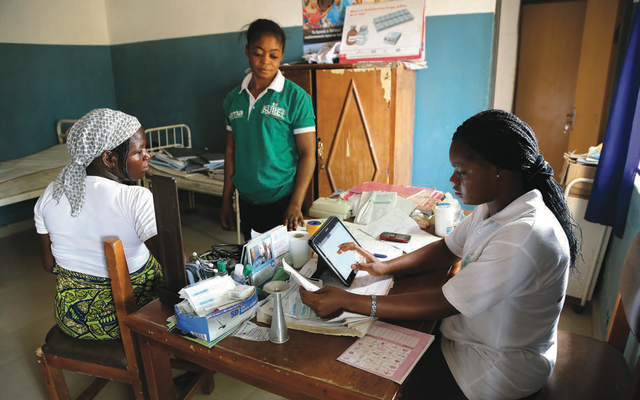
This article examines the current state of digital health in Africa, the trends driving its adoption, the challenges limiting its scale, and what the future holds for sustainable, system-wide impact.
The Current State of Digital Health in Africa
Digital health adoption in Africa has accelerated significantly over the past decade. Mobile phone penetration, improved internet connectivity in urban centers, and increased investment in health technology have created fertile ground for innovation.
Governments, private healthcare providers, non-governmental organizations, and startups are all contributing to a rapidly evolving ecosystem.
Mobile health (mHealth) solutions remain the most widespread form of digital health on the continent.
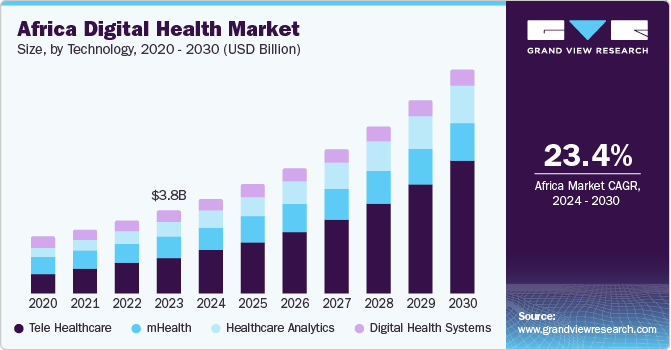
These tools support appointment reminders, medication adherence, health education, and data collection at the community level.
Telemedicine platforms are also gaining traction, particularly in urban areas and underserved regions where access to specialists is limited.
Several countries have begun digitizing health records within public and private healthcare systems, although progress remains uneven.
While pilot programs and isolated implementations are common, full-scale integration across national health systems is still in its early stages.
Overall, digital health in Africa is transitioning from experimentation to early adoption, with growing recognition of its strategic importance.
Key Digital Health Trends Shaping Africa’s Healthcare System
Telemedicine and Remote Care
Telemedicine has become one of the most visible digital health trends across Africa. Virtual consultations enable patients to access medical advice without the cost and time associated with travel, particularly in rural and hard-to-reach communities.
For healthcare providers, telemedicine helps extend limited human resources and reduces congestion in overstretched facilities.
The COVID-19 pandemic further accelerated acceptance of remote care, normalizing virtual consultations and remote monitoring.
While challenges remain around reimbursement models and regulatory clarity, telemedicine is increasingly viewed as a permanent component of healthcare delivery rather than a temporary solution.
Electronic Health Records and Health Data Systems
Digitization of health records is essential for continuity of care, data-driven decision-making, and efficient healthcare management. Across Africa, electronic health record (EHR) adoption is progressing, but fragmentation remains a major issue.
Many systems operate in silos, limiting data sharing across facilities and regions.
Despite these challenges, momentum is building around interoperable health information systems that can support national health planning, disease surveillance, and patient-centred care. Strengthening data governance frameworks will be critical to unlocking the full value of digital health records.
Artificial Intelligence and Data-Driven Healthcare
Artificial intelligence is beginning to influence healthcare delivery in Africa, particularly in diagnostics, triage, and decision support. AI-powered tools are being used to analyze medical images, identify disease patterns, and support early detection of conditions such as cancer and infectious diseases.
Data-driven healthcare also enables predictive analytics, helping health systems anticipate outbreaks and allocate resources more effectively.
While adoption remains limited to specific use cases, AI represents a growing opportunity to enhance efficiency and improve health outcomes when deployed responsibly and ethically.
Major Challenges Facing Digital Health in Africa
Despite growing adoption, several structural challenges continue to limit the scale and sustainability of digital health solutions across the continent.
Infrastructure gaps remain a fundamental barrier. Inconsistent electricity supply, limited broadband access, and high data costs restrict reliable use of digital tools, particularly in rural areas.
Policy and regulatory fragmentation further complicate expansion, as digital health solutions often must navigate different standards and approval processes across countries.
Data privacy and security concerns are also increasingly important. As more health data is digitized, robust governance frameworks are required to protect patient information and ensure ethical use. Additionally, workforce capacity remains a critical constraint.
Without sufficient training for healthcare workers and system administrators, even well-designed digital tools struggle to achieve long-term impact.
Funding sustainability presents another challenge. Many digital health initiatives rely on donor funding or pilot grants, with limited pathways to long-term financial viability or integration into national health systems.
Opportunities for Scaling Digital Health Solutions
While challenges persist, the opportunity to scale digital health in Africa is substantial. Public–private partnerships can play a central role in aligning innovation with national health priorities and ensuring solutions are designed for real-world contexts.
Stronger collaboration between governments, technology providers, and healthcare institutions can help bridge gaps between innovation and implementation.

Regional alignment of digital health policies and standards would support interoperability and cross-border learning. Investment in capacity building and workforce training is equally critical, ensuring healthcare professionals can effectively use and sustain digital systems.
Local innovation also represents a significant advantage. Solutions designed with a deep understanding of local health needs, cultural contexts, and system constraints are more likely to achieve meaningful adoption and long-term success.
What the Future Holds for Digital Health in Africa
In Africa lies in integration rather than isolated tools. Sustainable progress will depend on building connected health systems that place patients at the center of care, supported by strong data infrastructure and clear governance frameworks.
As digital health matures, the focus will shift from adoption to optimisation, ensuring solutions deliver measurable outcomes, improve efficiency, and strengthen health systems at scale.
With the right mix of policy support, investment, and collaboration, digital health has the potential to significantly improve healthcare access and quality across the continent.
